
Select Your City
Popular Cities
Other Cities
No city found
 Trusted by 10,000+ patients
High Blood Pressure (hypertension) Treatment in Choutuppal
Treatment & Care
Effective hypertension management in Choutuppal through personalized care and advanced diagnostic methods.

 Call Us: 080-6541-7867
Effective Hypertension Management Solutions in Choutuppal.
Elevated blood pressure, known as hypertension, is a prevalent but serious condition that places stress on the heart and blood vessels. If not properly managed, it can result in heart disease, stroke, or kidney issues. In Choutuppal, skilled specialists provide evidence-based hypertension treatment, utilizing advanced diagnostics and tailored care plans to assist patients in effectively managing their blood pressure and enhancing long-term cardiovascular health.
Indicators of Elevated Blood Pressure to Watch For
Identify early symptoms and consult a healthcare professional promptly

Intense headaches
Continuous throbbing in the head

Vision that is hazy
Changes in vision, sudden or slow

Pain in the chest area
Feeling of tightness in the chest

Breathing difficulties
Trouble breathing without physical effort

Feeling unsteady
Often feeling lightheaded or fainting

Bleeding from the nose
Nasal bleeding, sudden or repeated


Warning Signs of Severe High Blood Pressure (Hypertension)
Seek Emergency Care Immediately if:
Seek Emergency Care Immediately if:
 Intense headache accompanied by vision blurriness Sudden chest pain and abrupt breathlessness Facial drooping or sudden numbness Blood pressure exceeding 180/120 Seizures, confusion, or speech loss
- Intense headache accompanied by vision blurriness
- Sudden chest pain and abrupt breathlessness
- Facial drooping or sudden numbness
- Blood pressure exceeding 180/120
- Seizures, confusion, or speech loss
 MEDICAL INSIGHT
Factors leading to elevated blood pressure (hypertension) explained.
Over time, hypertension arises from lifestyle choices, genetic predisposition, and health conditions that elevate arterial pressure.
Globally, high sodium consumption and obesity are primary modifiable risk factors for hypertension.
 Unhealthy Eating Habits
 Inherited Traits Impact
 Lack of Physical Activity
 Prolonged Mental Strain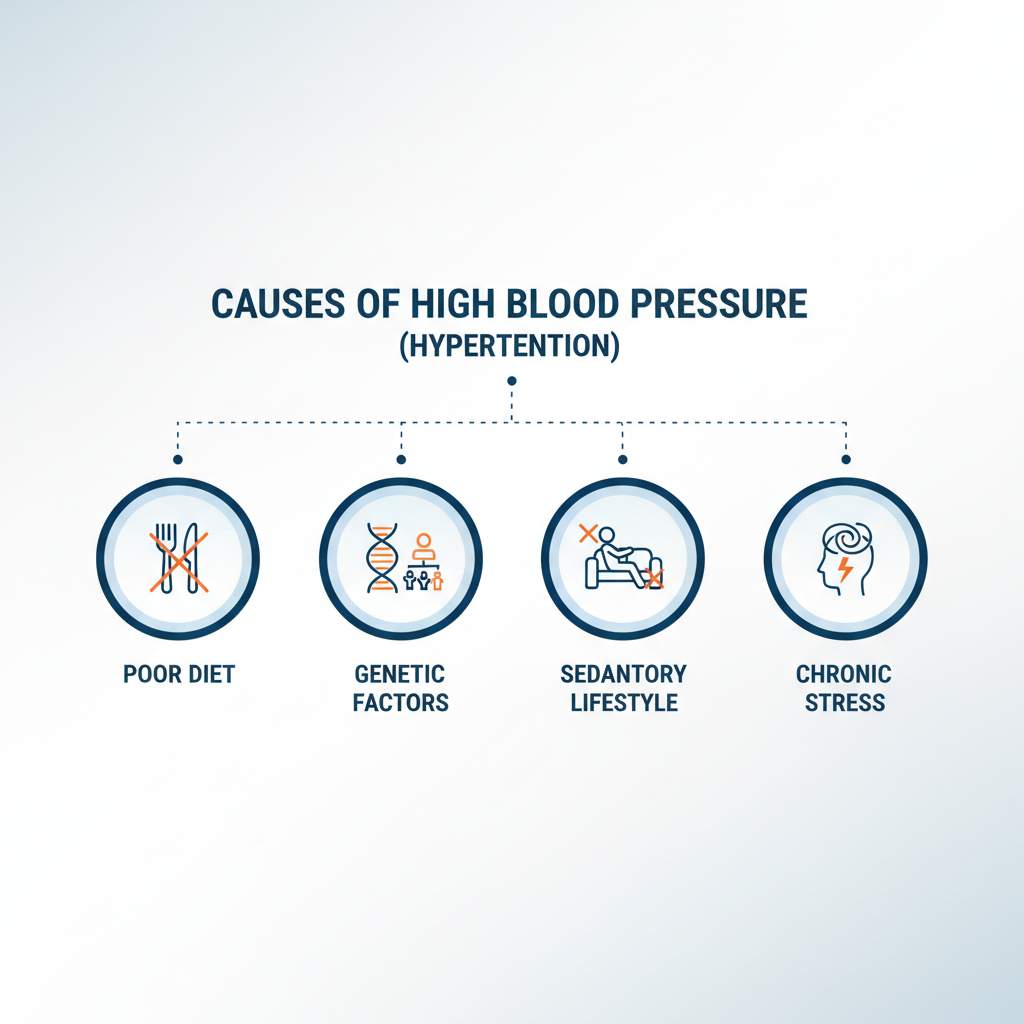
Ready to get the right care?
Identifying individuals at risk for high blood pressure.
Over time, specific factors may elevate your chances of developing hypertension.

Family history and age increase risk.
Hypertension risk increases with age and family history.

Poor diet and lack of exercise.
High salt, inactivity, smoking, and alcohol increase blood pressure.

Diabetes and obesity increase risk.
Obesity and diabetes are linked to higher blood pressure.

Long-term stress impacts health.
Chronic stress may lead to sustained high blood pressure.

The Critical Phase
Severely uncontrolled hypertension may cause a hypertensive crisis, requiring immediate emergency medical attention.
ALWAYS HOSPITALIZE HIGH-RISK PATIENTS
Potential issues
Over time, unchecked high blood pressure can harm essential organs, resulting in severe health problems.

Cardiac Disease
Sustained high blood pressure stresses the heart, heightening the likelihood of heart attack and heart failure.

Increased Stroke Risk
Elevated pressure may rupture or obstruct brain arteries, markedly increasing the risk of stroke.

Renal Damage
Prolonged high blood pressure harms kidney vessels, possibly resulting in chronic kidney disease.

 Nearest Clinic
Recovery & Treatment
Advanced methods for controlling hypertension and promoting sustained cardiac wellness

Prescribed drugs
BP control with ACE inhibitors, beta-blockers, and diuretics.

Habit adjustments
Essential: low-salt diet, exercise, and stress relief.

Supervision & care
Effective management through regular BP checks and follow-ups.
 CRITICAL ALERT
Consult a healthcare provider promptly if blood pressure surpasses 180/120 mmHg and symptoms arise.
 Avoid Ibuprofen
 Limit Salt Intake
 Quit Smoking Now
Consult a professional before any medication.
Urgent Action Needed
If sudden, severe hypertension symptoms occur, seek emergency care promptly.
 Emergency Hotline


Guard against hypertension with proactive prevention strategies.
Adopting healthy lifestyle choices can markedly reduce hypertension risk.

Adopt a Balanced Diet
Daily intake of fruits, vegetables, and whole grains while reducing salt.

Engage in Regular Exercise
Perform moderate exercise for at least 30 minutes on most days.

Avoid Alcohol & Smoking
Refrain from tobacco and excessive alcohol to keep blood pressure healthy.

Control Stress Levels
Utilize meditation or yoga for relaxation and stress reduction.
What Our Patients Say
Based on 26 Recommendations | Rated 4.4 Out of 5



Your health is our
sole priority.
Need Expert Medical Consultation?
Our network of board-certified infectious disease specialists is available for immediate clinical evaluation and personalized recovery planning.

Frequently Asked Questions
Elevated force against artery walls, known as high blood pressure, heightens the risk of heart disease, stroke, and kidney damage if not managed.
Factors like poor diet, lack of exercise, obesity, stress, genetic predisposition, and high salt or alcohol consumption are common causes. Kidney or hormonal issues can also contribute.
 Call Us
 Book Appointment


