
- Specialities
- Gynaecology
- Aesthetics
- Ophthalmology
- Urology
- Vascular
- Ent
- Proctology
- Orthopedics
- Laparoscopy
- General Physician
 080-6541-7705
Pilonidal-sinus Treatment in Jadcherla
Treatment & Care
Advanced, minimally invasive pilonidal sinus treatment in Jadcherla ensures faster recovery, allowing most patients to return to daily activities within days.

 Call Us: 080-6541-7705

Effective Pilonidal Sinus Treatment in Jadcherla with modern techniques.
Pilonidal sinus, a painful cyst or abscess near the tailbone, can lead to swelling and infection. In Jadcherla, our clinic provides advanced, minimally invasive treatments, including laser-assisted procedures, for effective management. Our skilled surgeons employ modern, evidence-based methods to minimize recurrence and enhance quicker healing. Most patients return to their regular activities within a few days post-treatment. We emphasize patient comfort and safety throughout the care journey.
Indicators of Pilonidal Sinus to Watch For
Identifying early pilonidal sinus symptoms ensures prompt medical attention and helps prevent complications.

Discomfort near the tailbone area.
Continuous pain at the spine's base.

Inflammation and redness noted.
Red, swollen area near coccyx.

Fluid or pus discharge observed.
Unpleasant-smelling fluid from skin.

Skin dimple or pit present.
Small skin opening or pit visible.

Feeling feverish and tired.
Mild fever suggesting active infection.

Frequent abscess formation.
Painful lumps recurring over time.


Warning Signs of Severe Pilonidal Sinus
Seek Emergency Care Immediately if:
Seek Emergency Care Immediately if:
 Signs of severe abscess and spreading infection observed. High fever and drainage from pilonidal sinus noted. Near tailbone, rapidly growing and painful cyst. Cellulitis spreading from pilonidal sinus site. Uncontrolled bleeding from pilonidal sinus area.
- Signs of severe abscess and spreading infection observed.
- High fever and drainage from pilonidal sinus noted.
- Near tailbone, rapidly growing and painful cyst.
- Cellulitis spreading from pilonidal sinus site.
- Uncontrolled bleeding from pilonidal sinus area.
Meet Our Best Pilonidal Sinus Specialists

Dr. Prudhvinath
MBBS, DNB - General Surgery
 Free Consultation

 16 Years Experience
 Image Gardens Rd, near Chirec School, Hyderabad
 MEDICAL INSIGHT
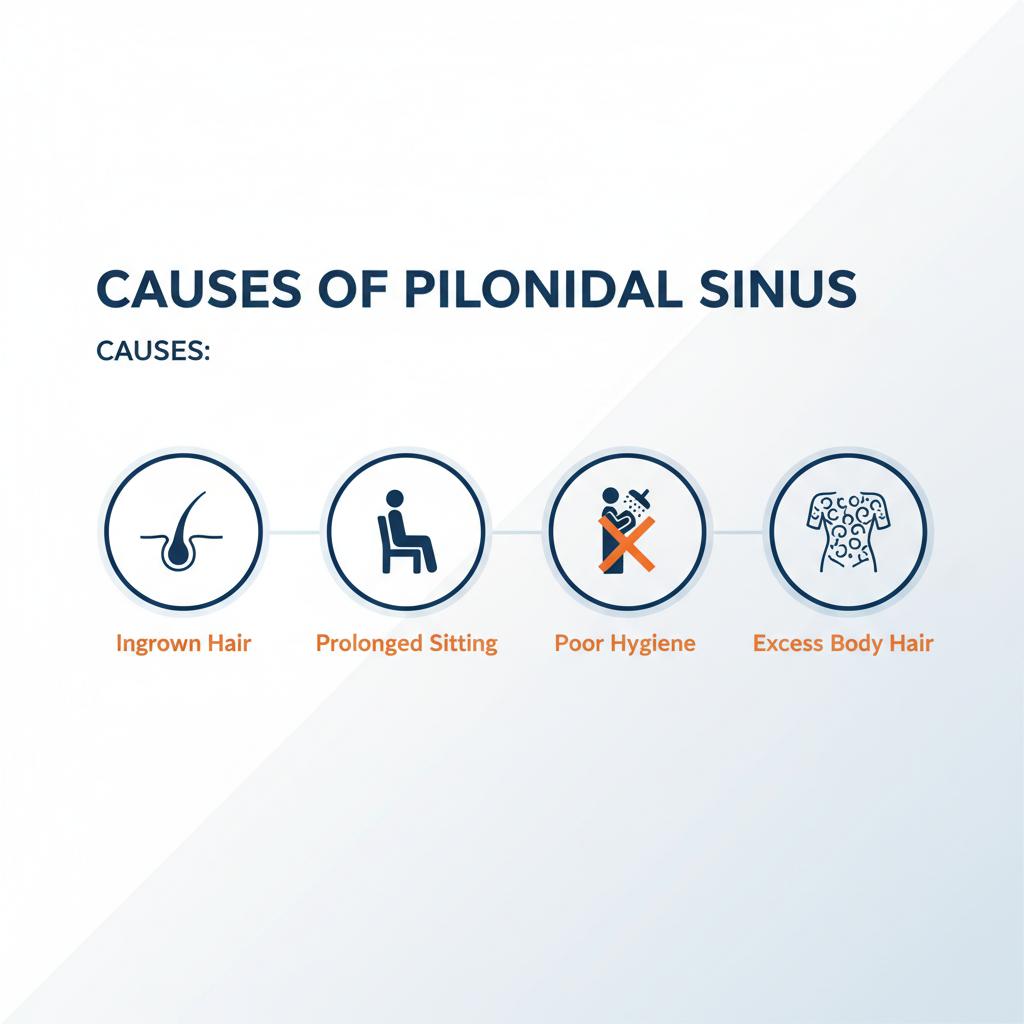
Factors leading to the development of pilonidal sinus condition.
The main cause of pilonidal sinus is loose hairs embedding in the skin near the tailbone, leading to infection and cyst formation. Risks are heightened by prolonged sitting, friction, and inadequate hygiene.
A critical factor is the rupture of hair follicles under pressure, often exacerbated by sweat and friction in the natal cleft.
 Embedded hair follicle.
 Extended periods seated.
 Inadequate cleanliness habits.
 Excessive body hair growth.
Ready to get the right care?
Identifying individuals susceptible to pilonidal sinus condition.
Awareness of risk factors for pilonidal sinus aids early detection and management. Understanding these elements can lead to timely intervention and effective treatment strategies. Most patients resume routine activities within a few days following advanced, minimally invasive procedures.

Males in their youth and early adulthood
Hormonal activity and coarse hair growth in the sacral region make men aged 15-35 more prone.

Lifestyle with prolonged sitting periods
Increased body hair

Excess Body Hair
Dense or coarse hair near the natal cleft can penetrate skin, leading to sinus tract formation.

Poor hygiene or excessive body weight
Inadequate hygiene and excess weight create moist skin folds, increasing pilonidal sinus risk.

The Critical Phase
Postponing care raises deep infection and relapse chances; early doctor visits usually yield better results.
ALWAYS HOSPITALIZE HIGH-RISK PATIENTS
Potential issues
Neglecting pilonidal sinus may cause severe problems; timely diagnosis and proper treatment lower risks.

Pus Accumulation
Bacterial infection can lead to painful abscesses, necessitating immediate drainage and antibiotic treatment to avoid further complications.

Persistent Infection
Untreated recurring pilonidal sinus infections may result in chronic inflammation, scarring, and ongoing discomfort.

Tract Extension
Over time, multiple sinus tracts may form, complicating treatment and often requiring minimally invasive surgical procedures.

 Nearest Clinic
Managing Pilonidal Sinus: Treatment and Recovery Insights
Discover advanced surgical and non-surgical methods for pilonidal sinus care. Focus on safe, modern techniques for effective treatment and faster recovery. Most patients return to routine activities shortly after treatment.

Surgery Choices
High success rates with excision and laser-assisted methods.

Healing of Wounds
Proper post-op care at home ensures most heal well.

Duration of Recovery
Most patients resume routine activities within days.


Advanced In-Patient Care
Modern, minimally invasive pilonidal sinus treatments offer quicker recovery and lower recurrence rates.
 CRITICAL ALERT
Avoid self-draining; seek medical care to prevent infection.
 Avoid self-drain.
 Limit seated time.
 Avoid hot baths.
Consult a professional before any medication.
Urgent intervention needed for pilonidal sinus condition.
If your pilonidal sinus exhibits severe infection or abscess, seek immediate medical care.
 Emergency Hotline


Optimal prevention: Your best defense against pilonidal sinus.
Adopting good hygiene practices and modifying lifestyle can lower pilonidal sinus risk.

Clean the Area Daily
Daily cleansing of the tailbone region with mild soap is essential to eliminate sweat, dirt, and stray hair.

Trim Excess Hair
Consistent hair removal around the natal cleft is crucial to prevent hair from embedding beneath the skin.

Limit Extended Sitting
During prolonged sitting, take frequent short breaks to minimize pressure and friction on the coccyx area.

Keep a Healthy Weight
Maintaining a healthy weight decreases skin fold friction, thus reducing the likelihood of pilonidal sinus development.


Your health is our
sole priority.
Need Expert Medical Consultation?
Our network of Pilonidal Sinus specialists are available for immediate clinical evaluation and personalized recovery planning.

Frequently Asked Questions
A pilonidal sinus is a small tunnel or cyst near the tailbone, often containing hair and debris. It may cause pain, swelling, and discharge, necessitating timely medical evaluation and treatment.
Ingrown hair, prolonged sitting, friction, or poor hygiene commonly cause it. Hormonal changes and excess body hair may also increase the risk of developing a pilonidal sinus.
 Call Us
 Book Appointment