
Select Your City
Popular Cities
Other Cities
No city found
 Trusted by 10,000+ patients
Hip-replacement Treatment in Jangaon
Treatment & Care
Advanced hip replacement surgery in jangaon offers effective treatment, enabling most patients to achieve high mobility with successful outcomes and quicker recovery.

 Call Us: 080-6541-7867
Advanced Hip Replacement Treatment in Jangaon with high success rates.
In jangaon, hip replacement treatment provides relief for those with severe hip pain, arthritis, or joint damage. Expert orthopedic surgeons use advanced methods to restore mobility and enhance life quality. These modern procedures are safe, evidence-based, and have high success rates. Most patients return to normal activities within weeks post-surgery. For chronic hip issues, visit a jangaon specialist for a detailed assessment and tailored care plan.
Post-hip replacement: be alert for warning signs.
Identify early post-hip replacement surgery symptoms for prompt medical attention and improved recovery results.

Intense discomfort in the hip area.
Rapidly increasing pain near the hip.

Inflammation or redness observed.
Swelling or redness near the incision.

Elevated body temperature detected.
A fever over 101°F could indicate infection.

Numbness in the leg noted.
Sensation of tingling in the operated leg.

Instability in the joint area.
Sensation of the hip dislocating or giving way.

Fluid leakage from the wound.
Abnormal fluid or pus draining from wound.


Warning Signs of Severe Hip Replacement
Seek Emergency Care Immediately if:
Seek Emergency Care Immediately if:
 Intense hip pain following replacement procedure. Blood clot indicators: swelling and redness. Immediate care needed for hip joint dislocation. Fever could indicate post-surgery hip infection. Prompt evaluation required for sudden leg numbness.
- Intense hip pain following replacement procedure.
- Blood clot indicators: swelling and redness.
- Immediate care needed for hip joint dislocation.
- Fever could indicate post-surgery hip infection.
- Prompt evaluation required for sudden leg numbness.
 MEDICAL INSIGHT
Reasons for hip replacement surgery due to joint damage.
Severe joint damage from osteoarthritis, rheumatoid arthritis, or injury often necessitates hip replacement. Key risk factors include age-related wear, obesity, and prior fractures, which accelerate hip joint deterioration. Osteoarthritis is the leading cause of hip joint damage, gradually breaking down cartilage and causing chronic pain.
 Joint wear: Osteoarthritis.
 Broken hip: Hip fracture.
 Inflammatory joint: Rheumatoid arthritis.
 Weight impact: Obesity risk.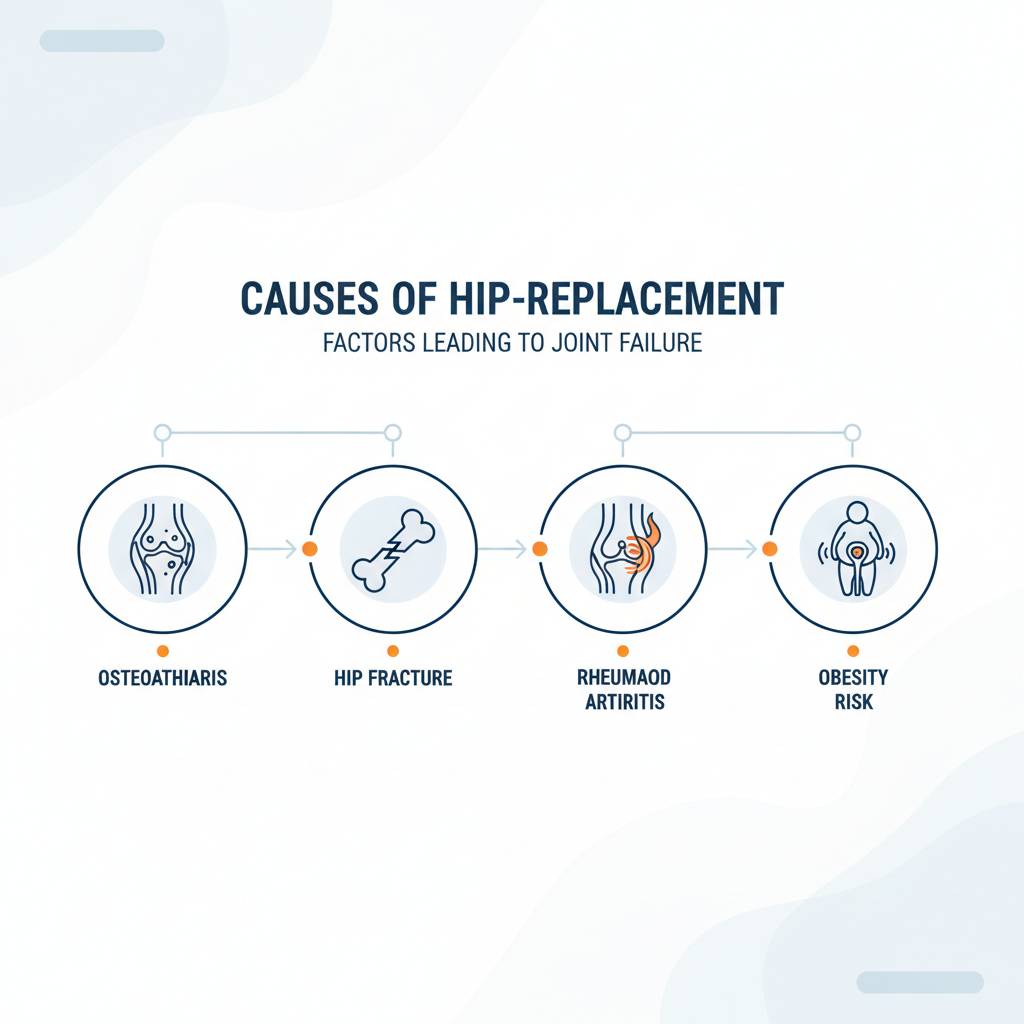
Ready to get the right care?
Identifying Candidates for Hip Replacement Surgery
Various conditions and lifestyle choices can elevate the chances of requiring hip replacement surgery. Advanced, minimally invasive techniques often result in high success rates and faster recovery for most patients. Complete and evidence-based information ensures informed decisions.

Patients with osteoarthritis
Joint degeneration in severe osteoarthritis often leads to recommended hip replacement.

Seniors aged 60 and above
Wear and tear in aging hips raises fracture and chronic pain risks, necessitating surgery.

Cases of hip fractures
Hip replacement is often required for recovery from traumatic fractures due to falls or accidents.

Inactivity and obesity
Excess weight stresses hip joints, accelerating cartilage damage and increasing surgery risk.

The Critical Phase
Timely identification and immediate medical care during recovery can effectively manage most complications, promoting better long-term results.
ALWAYS HOSPITALIZE HIGH-RISK PATIENTS
Issues that may arise
Knowing possible risks aids patients in making informed choices and collaborating with their surgical team for safer results.

Clots in Blood
Post-surgery, deep vein thrombosis might arise; blood thinners and early movement effectively mitigate this risk.

Problems with Implant
Over time, implant loosening or dislocation may happen, necessitating vigilant follow-up and activity adjustments post-surgery.

Risk of Infection
Surgical site infections can occur; sterile methods and prescribed antibiotics significantly reduce the chance of occurrence.

 Nearest Clinic
Hip Replacement: Treatment and Recovery Process
Experience advanced surgical care for effective hip pain relief and enhanced mobility. Most patients see significant improvement and resume routine activities within a few days.

Surgery Choices Available
Modern implants for total or partial hip replacement.

Post-Surgery Hospital Time
Patients usually stay 2–4 days after surgery for care.

Post-Surgery Healing Period
Most patients return to light activities in 6–8 weeks.


Advanced In-Patient Care
We offer physiotherapy, pain relief, and implant checks for a secure, efficient recovery.
 CRITICAL ALERT
Adhere to low-impact activities and strictly follow your surgeon's post-surgery instructions.
 Avoid Ibuprofen.
 Avoid deep bends.
 No leg crossing.
Consult a professional before any medication.
Act Now: Immediate Attention Needed for Your Health
If you experience sudden hip pain, swelling, or infection signs post-replacement, seek urgent medical care.
 Emergency Hotline


Optimal prevention: safeguarding your hip health effectively.
Adopting healthy habits can alleviate hip joint stress and diminish the likelihood of requiring replacement.

Keep Moving
Walking or swimming, low-impact activities, strengthen hip joints.

Control Your Weight
Healthy weight lessens undue stress on hip joints over time.

Strengthen Bones
Calcium and vitamin D intake fosters robust bones and joints.

Prevent Tripping
Wear supportive shoes and clear hazards to avoid hip injuries.
What Our Patients Say
Based on 26 Recommendations | Rated 4.4 Out of 5



Your health is our
sole priority.
Need Expert Medical Consultation?
Our network of board-certified infectious disease specialists is available for immediate clinical evaluation and personalized recovery planning.

Frequently Asked Questions
Artificial implants replace damaged hip joint parts in hip replacement surgery, effectively restoring mobility and reducing chronic pain with high success rates.
Orthopaedic specialists may recommend hip replacement for patients with severe arthritis, hip fractures, or chronic joint pain unresponsive to medications after thorough evaluation.
 Call Us
 Book Appointment


