
- Specialities
- Gynaecology
- Aesthetics
- Ophthalmology
- Urology
- Vascular
- Ent
- Proctology
- Orthopedics
- Laparoscopy
- General Physician
 080-6541-7867
Thyroidectomy Treatment in Medchal
Treatment & Care
Advanced thyroidectomy in Medchal ensures effective thyroid removal with high success rates and quicker recovery for most patients.

 Call Us: 080-6541-7867

Effective thyroidectomy treatment in Medchal using advanced surgical techniques.
In Medchal, thyroidectomy, a surgery to remove part or all of the thyroid gland, is often advised for thyroid cancer, goiter, or hyperthyroidism. Patients benefit from cutting-edge, minimally invasive techniques for quicker recovery and better results. Conducted by skilled surgeons after detailed diagnostics, this advanced procedure allows most patients to return to normal activities shortly after surgery. For dependable thyroid care in Medchal, seek a qualified specialist for tailored treatment.
Post-Thyroidectomy Alert: Watch for Warning Signs
Identify early post-thyroidectomy warning signs for prompt medical attention and a safer recovery process.

Swelling in the neck area.
Quick swelling could mean internal bleeding.

Cramps in muscles post-surgery.
Muscle cramps may show low calcium levels.

Trouble breathing after the procedure.
Get help if you feel sudden breathlessness.

Changes in voice post-operation.
A hoarse voice might mean nerve issues.

Feeling of tingling in the body.
Numbness may show parathyroid changes.

Elevated body temperature post-surgery.
High fever may signal an infected wound.


Warning Signs of Severe Thyroidectomy
Seek Emergency Care Immediately if:
Seek Emergency Care Immediately if:
 Sudden airway blockage after thyroid gland removal. Intense muscle spasms due to low calcium levels. Excessive bleeding at the surgery location. Thyroid crisis with sudden fast heartbeat. Stridor due to recurrent laryngeal nerve damage.
- Sudden airway blockage after thyroid gland removal.
- Intense muscle spasms due to low calcium levels.
- Excessive bleeding at the surgery location.
- Thyroid crisis with sudden fast heartbeat.
- Stridor due to recurrent laryngeal nerve damage.
Meet Our Best Thyroidectomy Specialists
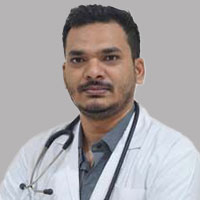
Dr. Mangalam Pavan Kumar
MBBS, MS-ENT
 Free Consultation

 15 Years Experience
 Pristyn Care Zoi Hospital, ShivBagh, Ameerpet, Hyd
 MEDICAL INSIGHT
Reasons for undergoing thyroidectomy procedure.
Thyroidectomy is commonly advised for thyroid cancer, large goiters, hyperthyroidism, or suspicious nodules. Surgical intervention may also be needed for autoimmune conditions like Graves' disease.
Thyroid cancer and uncontrolled hyperthyroidism are primary medical reasons for thyroidectomy.
 Thyroid malignancy treatment.
 Graves' condition management.
 Thyroid nodule evaluation.
 Enlarged thyroid treatment.

Ready to get the right care?
Identifying Candidates for Thyroidectomy: Who Needs It?
Recognizing conditions necessitating thyroid surgery aids early detection and effective, timely intervention. Advanced techniques often result in high success rates and faster recovery for most patients.

Patients with thyroid cancer diagnosis
Thyroidectomy is often the main treatment for those diagnosed with thyroid cancer.

Patients suffering from goiter
Surgical removal may be needed for those with enlarged thyroid glands causing difficulties.

Cases of hyperthyroidism
Thyroidectomy may be advised for those with overactive thyroid unresponsive to medication.

Patients with thyroid nodules
Surgery may be required for patients with suspicious or large thyroid nodules.

The Critical Phase
Critical first 24–48 hours post-thyroidectomy; close monitoring ensures early complication detection and patient safety.
ALWAYS HOSPITALIZE HIGH-RISK PATIENTS
Post-surgery issues
Knowing possible thyroidectomy risks aids informed choices and prompt care.

Calcium deficiency risk.
Affected parathyroid glands may lead to low calcium, causing tingling or muscle cramps needing treatment.

Possible nerve damage.
Damage to the recurrent laryngeal nerve may result in hoarseness or voice changes, often resolving with proper care.

Risk of bleeding/infection.
Though rare, post-surgical bleeding or infection needs immediate medical care for a safe recovery.

 Nearest Clinic
Thyroidectomy: Understanding Treatment and Recovery Process
Skilled surgeons use cutting-edge methods for efficient thyroid removal, ensuring high success rates and safe, modern techniques. Most patients resume routine activities within a few days.

Surgical Procedure
Thyroidectomy can be minimally invasive or open, depending on the condition.

Post-Surgery Duration
Patients typically leave the hospital 1–2 days after the procedure.

Post-Surgery Recovery
Most patients return to normal activities within a few days.
 CRITICAL ALERT
Avoid intense activities and watch for infection or swelling after surgery.
 Avoid Ibuprofen.
 Do not lift heavy.
 Rest is recommended.
Consult a professional before any medication.
Urgent Action Needed
Consult a healthcare provider promptly post-thyroidectomy if severe symptoms arise, suggesting potential complications.
 Emergency Hotline


Optimal prevention is your greatest safeguard against thyroid issues.
Consistent thyroid checks and early identification can lower the likelihood of requiring thyroidectomy.

Periodic Medical Evaluations
Early detection of thyroid issues through regular screenings aids timely management.

Nutritious Eating Habits
Sufficient iodine consumption promotes thyroid wellness and may decrease disorder risk.

Minimize Radiation Exposure
Reducing unnecessary neck radiation may lower long-term thyroid cancer risk.

Understand Your Lineage
Consider genetic counseling if thyroid cancer is familial for early detection.


Your health is our
sole priority.
Need Expert Medical Consultation?
Our network of Thyroidectomy specialists are available for immediate clinical evaluation and personalized recovery planning.

Frequently Asked Questions
Thyroidectomy, a surgical procedure to remove part or all of the thyroid gland, is often used to treat thyroid cancer, goiter, hyperthyroidism, or suspicious nodules effectively.
Thyroidectomy may be recommended for patients with thyroid cancer, large goiters, hyperthyroidism, or nodules causing breathing issues, following thorough evaluation and diagnostic testing by your surgeon.
 Call Us
 Book Appointment