
- Specialities
- Gynaecology
- Aesthetics
- Ophthalmology
- Urology
- Vascular
- Ent
- Proctology
- Orthopedics
- Laparoscopy
- General Physician
 080-6541-7928
Rhinoplasty Treatment in Moinabad
Treatment & Care
Advanced, safe rhinoplasty in Moinabad helps most patients resume routine activities within days.

 Call Us: 080-6541-7928

Effective rhinoplasty treatment in Moinabad using advanced techniques.
In Moinabad, rhinoplasty provides patients with cutting-edge surgical options to refine and improve the nose's appearance and function. This procedure tackles issues like nasal asymmetry, breathing problems, and structural defects using contemporary, secure methods. Conducted by skilled surgeons, rhinoplasty in Moinabad adheres to evidence-based practices, ensuring high success rates. Most patients return to their regular activities within a few days after the procedure. For personalized care, consult a qualified specialist in Moinabad if you are contemplating rhinoplasty.
Post-rhinoplasty warning signs to watch for.
Identify early warning signs post-rhinoplasty for a safe recovery and prompt medical attention.

Ongoing swelling after the procedure.
Swelling increases after two weeks post-op.

Excessive bleeding from the nose.
Significant nasal bleeding after surgery.

Trouble breathing through the nose.
Sudden nasal blockage or worsening.

Indications of infection present.
Noted redness, warmth, or discharge.

Intense pain experienced.
Pain not controlled with prescribed medication.

Changes in skin color observed.
Uncommon darkening around the nose.


Warning Signs of Severe Rhinoplasty
Seek Emergency Care Immediately if:
Seek Emergency Care Immediately if:
 Intense nasal bleeding after surgery is severe. Rhinoplasty may cause sudden airway obstruction. Infection signs: fever and nasal swelling. Post-rhinoplasty, sudden vision changes occur. Urgent review needed for breathing difficulty.
- Intense nasal bleeding after surgery is severe.
- Rhinoplasty may cause sudden airway obstruction.
- Infection signs: fever and nasal swelling.
- Post-rhinoplasty, sudden vision changes occur.
- Urgent review needed for breathing difficulty.
Meet Our Best Rhinoplasty Specialists
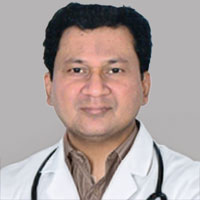
Dr. Jinka Rajesh
MBBS, MS-General Surgery, M.Ch-Plastic Surgery
 Free Consultation

 30 Years Experience
 Pristyn Care Zoi Hospital, ShivBagh, Ameerpet, Hyd

Dr. Jonnalagadda Prashanta Varnika
MBBS, DNB-General Surgery & M.Ch-Plastic Surgery
Free Consultation 15 Years Experience Pristyn Care Zoi Hospital, ShivBagh, Ameerpet, Hyd.jpg/1660737456431_ban-Icon.png)
Dr. Y. Gautam Reddy
MBBS, MS-General Surgery, M. Ch- Plastic Surgery
Free Consultation 20 Years Experience 61/8 4th phase, LIG Housing, 1st, Kukatpally Housing Board Colony, Hyderabad, Telangana 500072 MEDICAL INSIGHT
Reasons for undergoing rhinoplasty: structural, functional, cosmetic.
Patients often choose rhinoplasty for structural nasal issues, breathing difficulties, or cosmetic reasons. Common medical causes include trauma, congenital deformities, and a deviated septum.
Approximately 80% of individuals have a deviated septum, a major medical reason for rhinoplasty.
 Misaligned nasal partition.
 Injury affecting the nose.
 Congenital nasal anomaly.
 Desired nasal appearance.

Ready to get the right care?
Individuals at Risk for Rhinoplasty: Who Should Consider?
Some people may be ideal candidates or have more considerations when considering rhinoplasty. Focus on evidence-based, safe, and modern techniques for the best outcomes. Most patients resume routine activities within a few days.

Nasal structural abnormalities
Rhinoplasty can help those with congenital nasal deformities or deviated septum.

Nasal trauma or past injuries
Rhinoplasty is common for individuals with nasal fractures from accidents.

Issues with nasal breathing
Functional rhinoplasty can improve airflow for chronic nasal obstruction.

Desire for nasal appearance change
Adults often choose rhinoplasty for aesthetic nasal size, shape, or symmetry.

The Critical Phase
Adhering to post-operative guidelines and early follow-up care are crucial to lower complication risks and promote optimal healing.
ALWAYS HOSPITALIZE HIGH-RISK PATIENTS
Issues
Knowing rhinoplasty risks and complications aids informed decisions and safer recovery.

Risk of infection
Post-surgical infections are possible but can be controlled with prescribed antibiotics and proper wound care.

Issues with breathing
Some patients may face temporary nasal congestion or airflow changes that usually resolve during healing.

Potential for scarring
Minor scarring near incision sites is possible; advanced surgical techniques help minimise visible scarring in most cases.

 Nearest Clinic
Nose Surgery & Healing Process
Skilled nose reshaping using advanced methods for safe, effective outcomes. Most patients resume routine activities within a few days.

Preparation Before Surgery
Cease blood thinners and smoking 2 weeks prior to surgery.

Surgical Procedure Details
Conducted under anesthesia with open or closed techniques.

Post-Surgery Recovery Period
Light activities can be resumed by most within 1–2 weeks.
 CRITICAL ALERT
Adhere to all post-surgery guidelines to promote healing and minimize complication risks.
 Avoid Ibuprofen.
 Refrain from smoking.
 Avoid intense activity.
Consult a professional before any medication.
Act Now: Immediate Attention Needed Post-Rhinoplasty
If severe symptoms arise post-rhinoplasty, seek urgent medical care to address potential complications.
 Emergency Hotline


Optimal prevention: safeguarding your health with foresight.
Effective rhinoplasty risk reduction through meticulous planning and expert advice.

Make a prudent choice
Opt for a board-certified surgeon with extensive rhinoplasty expertise for enhanced safety.

Refrain from smoking
Cease smoking prior to surgery to promote optimal healing and lower complication chances.

Reveal medical past
Provide your surgeon with complete medical history, allergies, and current medications.

Observe pre-op advice
Comply with pre-operative instructions to reduce surgical risks and aid recovery process.


Your health is our
sole priority.
Need Expert Medical Consultation?
Our network of Rhinoplasty specialists are available for immediate clinical evaluation and personalized recovery planning.

Frequently Asked Questions
Surgical rhinoplasty reshapes or reconstructs the nose for cosmetic or functional reasons, addressing breathing issues, correcting deformities, and enhancing appearance with advanced techniques.
Ideal rhinoplasty candidates are adults with fully developed nasal structures, good health, realistic expectations, and non-smoking status for better outcomes.
 Call Us
 Book Appointment