
- Specialities
- Gynaecology
- Aesthetics
- Ophthalmology
- Urology
- Vascular
- Ent
- Proctology
- Orthopedics
- Laparoscopy
- General Physician
 080-6541-7705
Pilonidal-sinus Treatment in Sangareddy
Treatment & Care
Advanced, minimally invasive pilonidal sinus treatment in sangareddy ensures high success rates and faster recovery, allowing most patients to return to routine activities within days.

 Call Us: 080-6541-7705

Effective Pilonidal Sinus Treatment in sangareddy with modern techniques.
Pilonidal sinus, a painful cyst or abscess near the tailbone, is treated with advanced, minimally invasive methods at our sangareddy clinic. We utilize laser-assisted techniques for effective management. Our skilled surgeons apply modern, evidence-based practices to minimize recurrence and enhance healing. Most patients return to normal activities within days post-treatment. Patient comfort and safety are our top priorities.
Indicators of Pilonidal Sinus to Watch For
Identifying early pilonidal sinus symptoms ensures prompt medical attention and helps prevent complications.

Tailbone pain indicating potential issue.
Ongoing discomfort at spine's base noted.

Inflammation and redness observed.
Noticeable swelling and redness by coccyx.

Pus or fluid discharge present.
Unpleasant-smelling fluid from skin noted.

Skin pit or dimple visible.
Small skin opening or pit detected.

Fever and tiredness experienced.
Mild fever suggests active infection.

Frequent abscess formation observed.
Painful lumps recurring over time.


Warning Signs of Severe Pilonidal Sinus
Seek Emergency Care Immediately if:
Seek Emergency Care Immediately if:
 Signs of severe abscess and spreading infection observed. High fever and drainage from pilonidal sinus noted. Near tailbone, rapidly growing and painful cyst. Cellulitis spreading from pilonidal sinus site. Uncontrolled bleeding from pilonidal sinus area.
- Signs of severe abscess and spreading infection observed.
- High fever and drainage from pilonidal sinus noted.
- Near tailbone, rapidly growing and painful cyst.
- Cellulitis spreading from pilonidal sinus site.
- Uncontrolled bleeding from pilonidal sinus area.
Meet Our Best Pilonidal Sinus Specialists

Dr. Prudhvinath
MBBS, DNB - General Surgery
 Free Consultation

 16 Years Experience
 Image Gardens Rd, near Chirec School, Hyderabad
 MEDICAL INSIGHT
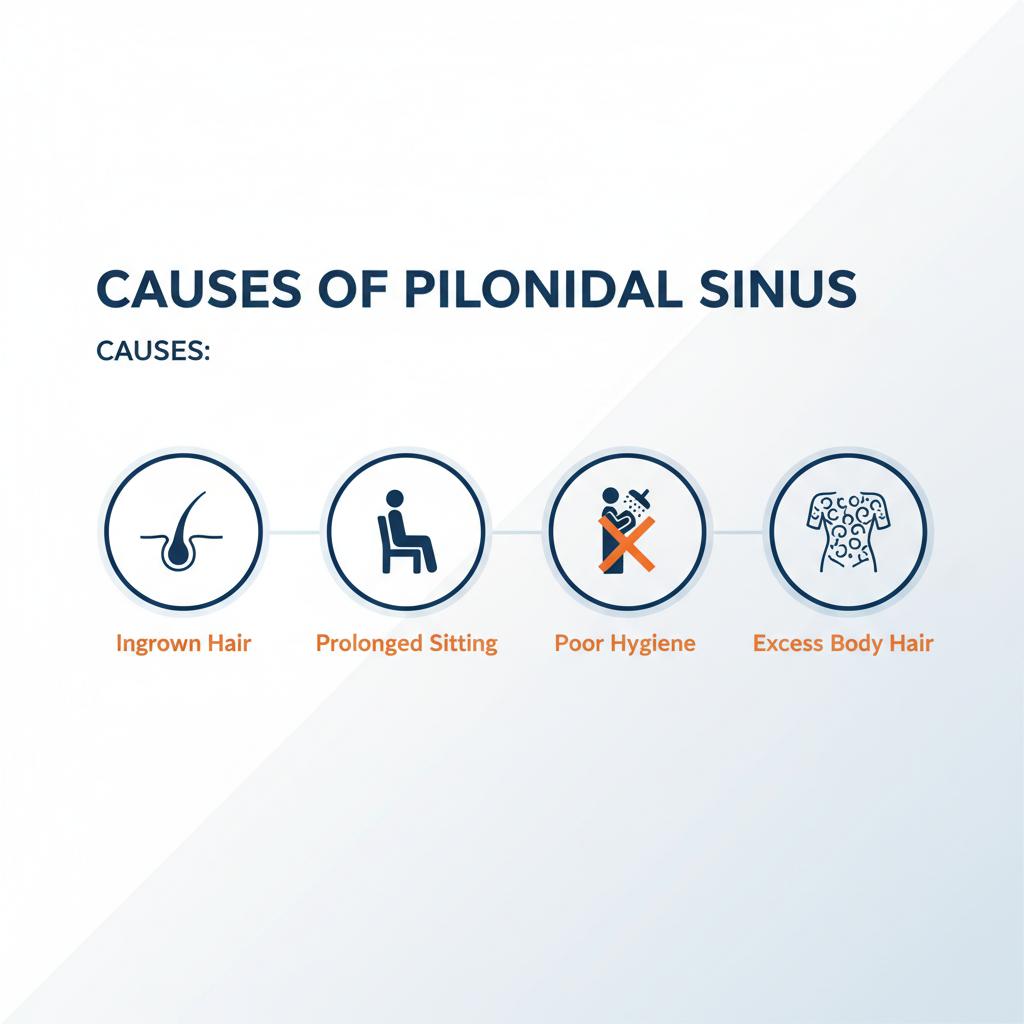
Factors leading to the development of pilonidal sinus.
The main cause of pilonidal sinus is loose hairs embedding in the skin near the tailbone, leading to infection and cyst formation. Risks are heightened by prolonged sitting, friction, and inadequate hygiene.
A hair follicle breaking under pressure is a significant factor, often exacerbated by sweat and friction in the natal cleft area.
 Embedded hair follicle.
 Extended seated durations.
 Inadequate cleanliness habits.
 Excessive body hair growth.
Ready to get the right care?
Identifying individuals susceptible to pilonidal sinus condition.
Awareness of risk factors for pilonidal sinus aids early detection and management. Understanding these elements can lead to timely intervention and effective treatment strategies. Most patients resume routine activities within a few days following advanced, minimally invasive procedures.

Males in their youth and early adulthood
Hormonal activity and coarse hair growth make men aged 15-35 more prone to this condition.

Lifestyle with prolonged sitting periods
Desk jobs or driving increase pressure and friction in the tailbone area.

Abundant body hair
Dense hair near the natal cleft can penetrate skin, forming sinus tracts.

Obesity and inadequate hygiene
Excess weight and poor hygiene create moist skin folds, increasing risk.

The Critical Phase
Early medical consultation lowers the risk of deep infection and recurrence, promoting better outcomes.
ALWAYS HOSPITALIZE HIGH-RISK PATIENTS
Potential issues
Serious complications can arise from untreated pilonidal sinus; timely diagnosis and treatment reduce risks.

Pus Accumulation
Painful abscesses from bacterial infection necessitate quick drainage and antibiotics to halt progression.

Long-term Infection
Untreated recurring pilonidal sinus infections result in chronic inflammation, scarring, and ongoing discomfort.

Sinus Tract Expansion
Over time, multiple sinus tracts may form, complicating treatment and often requiring minimally invasive surgery.

 Nearest Clinic
Managing Pilonidal Sinus: Treatment and Recovery Insights
Discover advanced surgical and non-surgical methods for pilonidal sinus care. Focus on safe, modern techniques for effective treatment and faster recovery. Most patients return to routine activities shortly.

Surgery Choices
High success rates with excision and laser-assisted methods.

Healing of Wounds
Proper post-op care at home ensures most heal well.

Time for Recovery
Most patients resume routine activities within days.


Advanced In-Patient Care
Modern, minimally invasive pilonidal sinus treatments offer quicker recovery and lower recurrence rates for most patients.
 CRITICAL ALERT
Avoid self-draining the sinus; seek prompt medical care to prevent infection.
 Avoid self-drain.
 Limit seated time.
 Avoid hot baths.
Consult a professional before any medication.
Urgent intervention needed for pilonidal sinus condition.
If your pilonidal sinus exhibits severe infection or abscess, seek immediate medical attention.
 Emergency Hotline


Optimal prevention: Your best defense against pilonidal sinus.
Adopting good hygiene practices and modifying lifestyle can lower pilonidal sinus risk.

Clean the Area Daily
Daily cleansing of the tailbone region with mild soap is essential to eliminate sweat, dirt, and stray hair.

Trim Excess Hair
Consistent hair removal around the natal cleft is crucial to prevent hair from embedding beneath the skin.

Limit Extended Sitting
During prolonged sitting, take frequent short breaks to minimize pressure and friction on the coccyx area.

Keep a Healthy Weight
Maintaining a healthy weight decreases skin fold friction, thus reducing the likelihood of pilonidal sinus development.


Your health is our
sole priority.
Need Expert Medical Consultation?
Our network of Pilonidal Sinus specialists are available for immediate clinical evaluation and personalized recovery planning.

Frequently Asked Questions
A pilonidal sinus is a cyst or tunnel near the tailbone, often filled with hair and debris, causing pain, swelling, and discharge, necessitating timely medical evaluation and treatment.
Ingrown hair, prolonged sitting, friction, and poor hygiene commonly cause it. Hormonal changes and excess body hair may also elevate the risk of pilonidal sinus development.
 Call Us
 Book Appointment