
- Specialities
- Gynaecology
- Aesthetics
- Ophthalmology
- Urology
- Vascular
- Ent
- Proctology
- Orthopedics
- Laparoscopy
- General Physician
 080-6541-7820
Pcos-pcod Treatment in Shankarpally
Treatment & Care
Advanced PCOS-PCOD treatment in Shankarpally offers effective hormonal and lifestyle management for enhanced reproductive health and overall well-being.

 Call Us: 080-6541-7820

Effective PCOS & PCOD treatment in Shankarpally with modern techniques.
In Shankarpally, our clinic provides thorough, evidence-based care for Polycystic Ovary Syndrome (PCOS) and Polycystic Ovarian Disease (PCOD). These hormonal disorders impact many women, leading to irregular periods, weight gain, and fertility issues. Our skilled gynecologists employ cutting-edge diagnostic tools and tailored treatment plans, including hormonal therapy, lifestyle adjustments, and minimally invasive procedures when necessary. We aim to restore hormonal balance and enhance overall reproductive health safely and effectively. Consistent, guided care often results in significant improvement for most patients. Schedule your consultation in Shankarpally today.
Identifying PCOS-PCOD Indicators
Early detection of PCOS-PCOD symptoms aids in obtaining timely diagnosis and effective hormonal management.

Unpredictable menstrual cycle patterns.
Occasional absence of menstrual periods.

Increased body hair growth.
Unwanted facial, chest, or back hair.

Sudden increase in body weight.
Rapid weight gain in the abdomen.

Oily skin and persistent acne.
Frequent acne breakouts from hormones.

Reduction in scalp hair density.
Observable decrease in scalp hair volume.

Discomfort in the pelvic region.
Lower abdominal pain of varying intensity.


Warning Signs of Severe Pcos Pcod
Seek Emergency Care Immediately if:
Seek Emergency Care Immediately if:
 Urgent PCOS care needed for severe pelvic pain. Immediate treatment required for heavy bleeding. Emergency help needed for ovarian cyst rupture. PCOD patients face high androgen crisis. Acute risk from severe insulin resistance.
- Urgent PCOS care needed for severe pelvic pain.
- Immediate treatment required for heavy bleeding.
- Emergency help needed for ovarian cyst rupture.
- PCOD patients face high androgen crisis.
- Acute risk from severe insulin resistance.
Meet Our Best Pcos Pcod Specialists

Dr. Uma Challa
MBBS, MD-Obs & Gynae
 Free Consultation

 42 Years Experience
 7-1-71/A/1, Dharam Karan Rd, ShivBagh, Ameerpet, Hyderabad, Telangana 500016
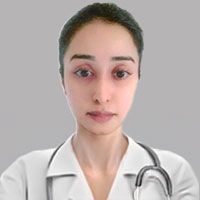
Dr. Priti Challa
MBBS, MS-Obs & Gynecologist
Free Consultation 21 Years Experience 7-1-71/A/1, Dharam Karan Rd, ShivBagh, Ameerpet, Hyderabad, Telangana 500016
Dr. Raidu Deepthi
MBBS, MS-Obs & Gynae
Free Consultation 16 Years Experience Pristyn Care ZOI Hospital, Ameerpet, Hyderabad MEDICAL INSIGHT
Underlying factors contributing to PCOS-PCOD development.
Hormonal imbalance, insulin resistance, and genetic factors are associated with PCOS-PCOD. Increased androgen levels interfere with ovulation, leading to cyst formation. Poor diet and lack of exercise exacerbate symptoms.
Approximately 70% of women with PCOS experience insulin resistance, contributing to hormonal and metabolic disturbances.
 Resistance to insulin noted.
 Hereditary influence observed.
 Uneven hormone levels detected.
 Lack of physical activity.

Ready to get the right care?
At-Risk Individuals?
Various factors elevate the chances of PCOS or PCOD in women during their reproductive years. Ensure to seek professional advice for accurate diagnosis and effective management strategies.

Genetic predisposition from family members.
Increased genetic risk for PCOS if mother or sister is diagnosed.

Resistance to insulin impacts hormone levels.
Elevated insulin may cause excess androgen, raising PCOS risk.

Weight and habits affect PCOS severity.
Obesity and inactivity worsen PCOS symptoms and hormone issues.

Unpredictable menstrual cycle patterns.
Infrequent or long periods may indicate PCOS or PCOD risk.

The Critical Phase
Women with PCOS have increased risks of endometrial cancer from prolonged irregular cycles; early medical care is crucial.
ALWAYS HOSPITALIZE HIGH-RISK PATIENTS
Health issues
Unmanaged PCOS-PCOD can cause severe health problems. Early detection and treatment can lower long-term risks.

Metabolic complications
Increased risk of type 2 diabetes and insulin resistance due to PCOS necessitates prompt lifestyle and medical management.

Cardiovascular disease risk
PCOS-related hormonal imbalances may raise cholesterol levels, heightening long-term cardiovascular disease risk.

Reproductive health issues
PCOS-induced irregular ovulation can impact conception, yet many benefit from effective fertility treatments.

 Nearest Clinic
Healing & Rehabilitation
Proven, evidence-based PCOS-PCOD care to balance hormones. Advanced, safe techniques for effective treatment. Most patients resume normal activities quickly.

Adopting a healthier lifestyle
Effective hormone regulation through diet, exercise, and weight control.

Prescribed pharmaceutical treatments
Cycle regulation aided by hormonal therapy and insulin-sensitizing drugs.

Consider surgical intervention
Minimally invasive laparoscopic ovarian drilling when necessary.


Advanced In-Patient Care
Experts provide cutting-edge hormonal therapy and minimally invasive treatments for efficient PCOS-PCOD care, ensuring quick recovery for most patients.
 CRITICAL ALERT
Uncontrolled PCOS-PCOD can increase diabetes and infertility risks; seek prompt treatment.
 Avoid self-med.
 Shun junk food.
 Don't miss doses.
Consult a professional before any medication.
Urgent intervention needed for PCOS-PCOD health concerns.
Consult a healthcare provider promptly for severe PCOS-PCOD symptoms to prevent potential hormonal or metabolic issues.
 Emergency Hotline


Optimal prevention: Your best defense against PCOS/PCOD.
Adopting early lifestyle changes can effectively lower PCOS/PCOD risk and manage symptoms.

Nutritious Eating Plan
Consume whole grains, lean proteins, and low-GI foods for hormone balance.

Consistent Physical Activity
Daily moderate exercise enhances insulin sensitivity and menstrual regularity.

Effective Stress Relief
Daily yoga or mindfulness practices can reduce cortisol and support hormone health.

Scheduled Medical Visits
Regular gynecological check-ups allow early detection and timely interventions.
What Our Patients Say
Based on 3 Recommendations | Rated 5.0 Out of 5



Your health is our
sole priority.
Need Expert Medical Consultation?
Our network of Pcos Pcod specialists are available for immediate clinical evaluation and personalized recovery planning.

Frequently Asked Questions
Polycystic Ovary Syndrome (PCOS) is characterized by hormonal imbalances, leading to irregular menstrual cycles, elevated androgen levels, and ovarian cysts. Accurate diagnosis requires blood tests, ultrasound imaging, and a thorough clinical evaluation of symptoms.
Management of PCOS involves lifestyle modifications, hormonal medications, and insulin-sensitising agents. A tailored treatment plan addressing specific symptoms such as irregular periods and hormonal imbalances provides effective, evidence-based care.
 Call Us
 Book Appointment